{{ $t('blog.subtitle') }}
Loading...
{{ getExcerpt(article) }}
{{ $t('blog.no_articles') }}
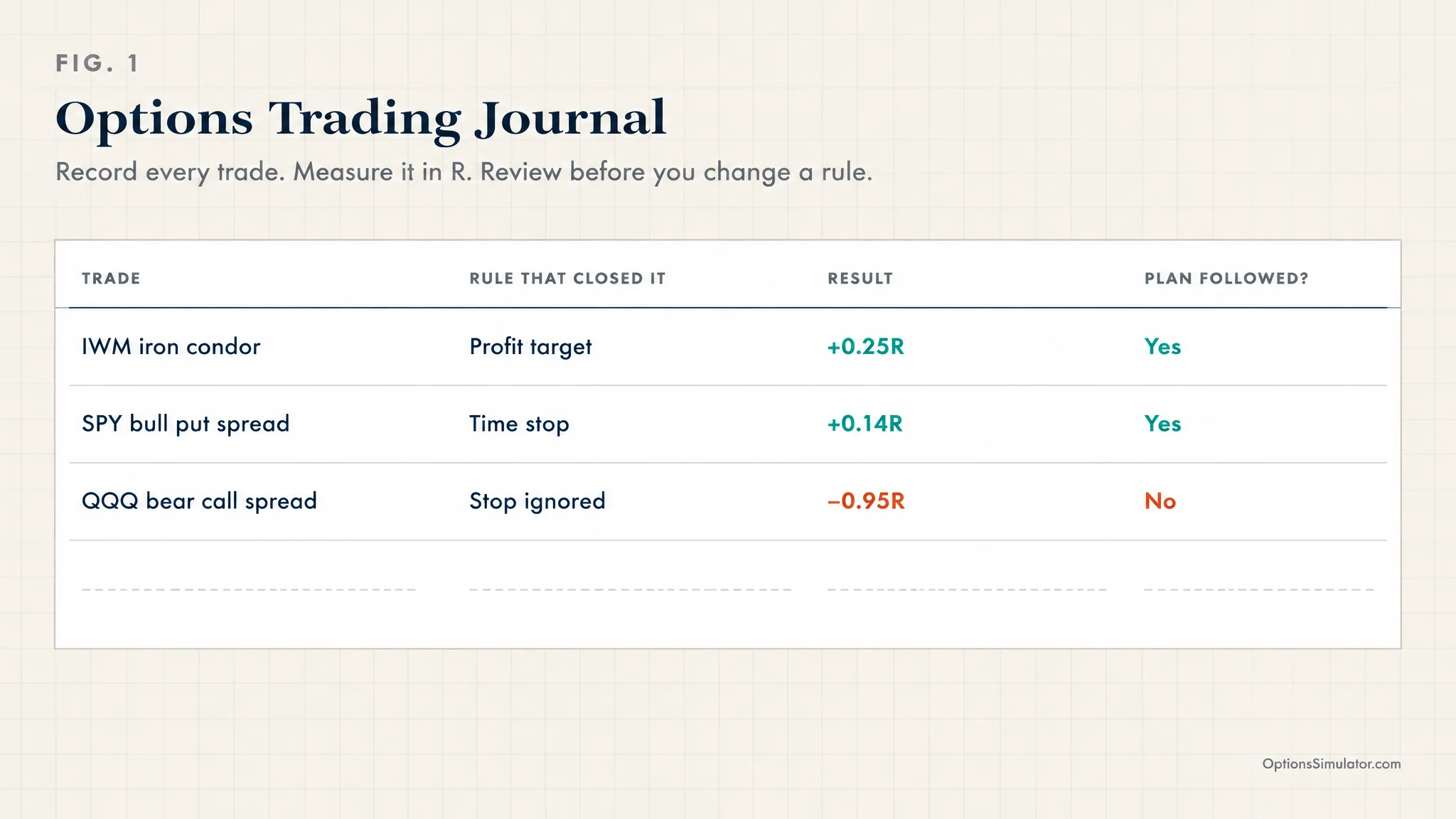
What to record in an options trading journal, how to measure results in R, and how to review your trades without fooling yourself.
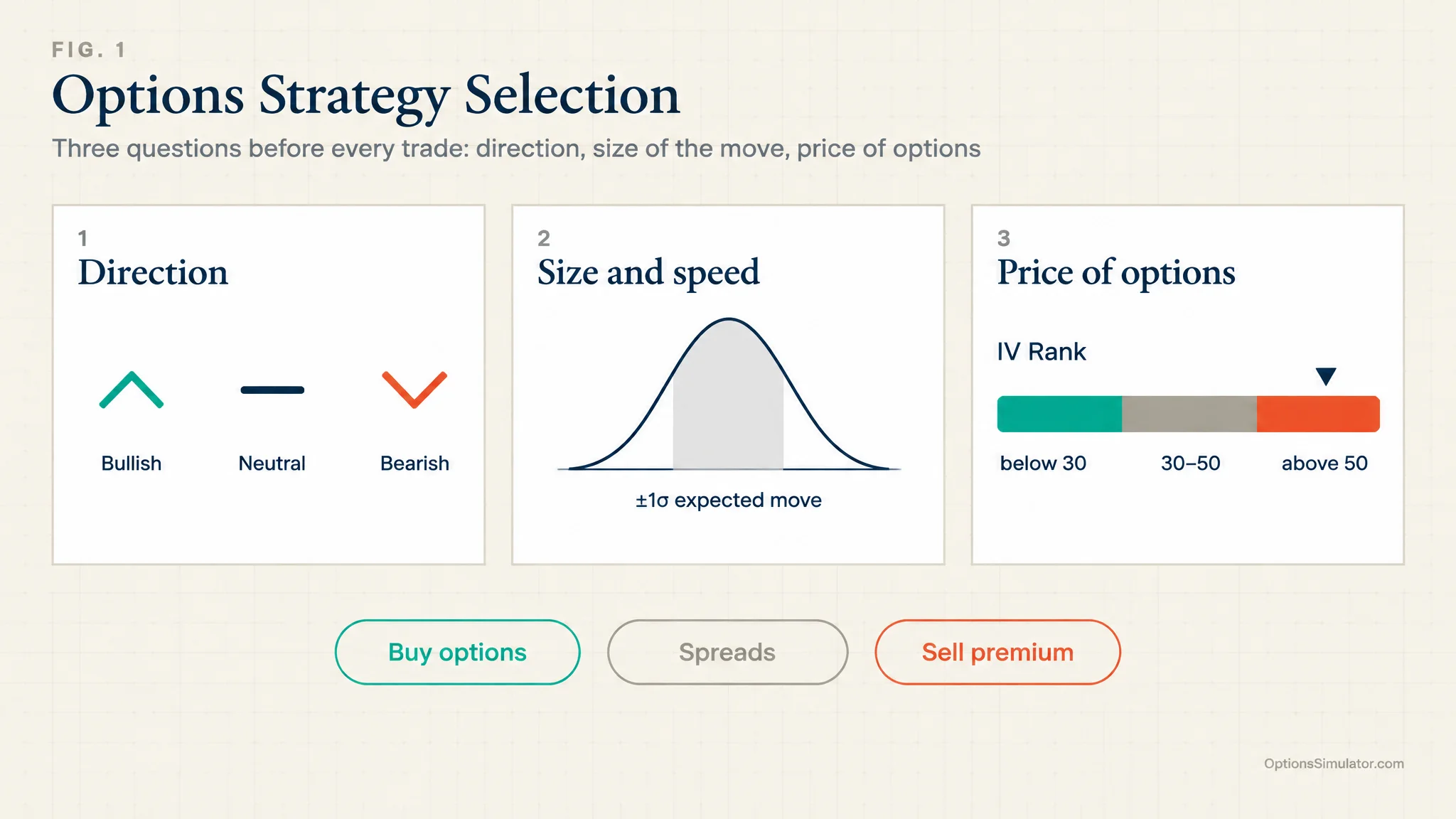
How to choose the right options strategy: three questions, a strategy map with the Greeks of 18 strategies, and one bullish view traded three ways.
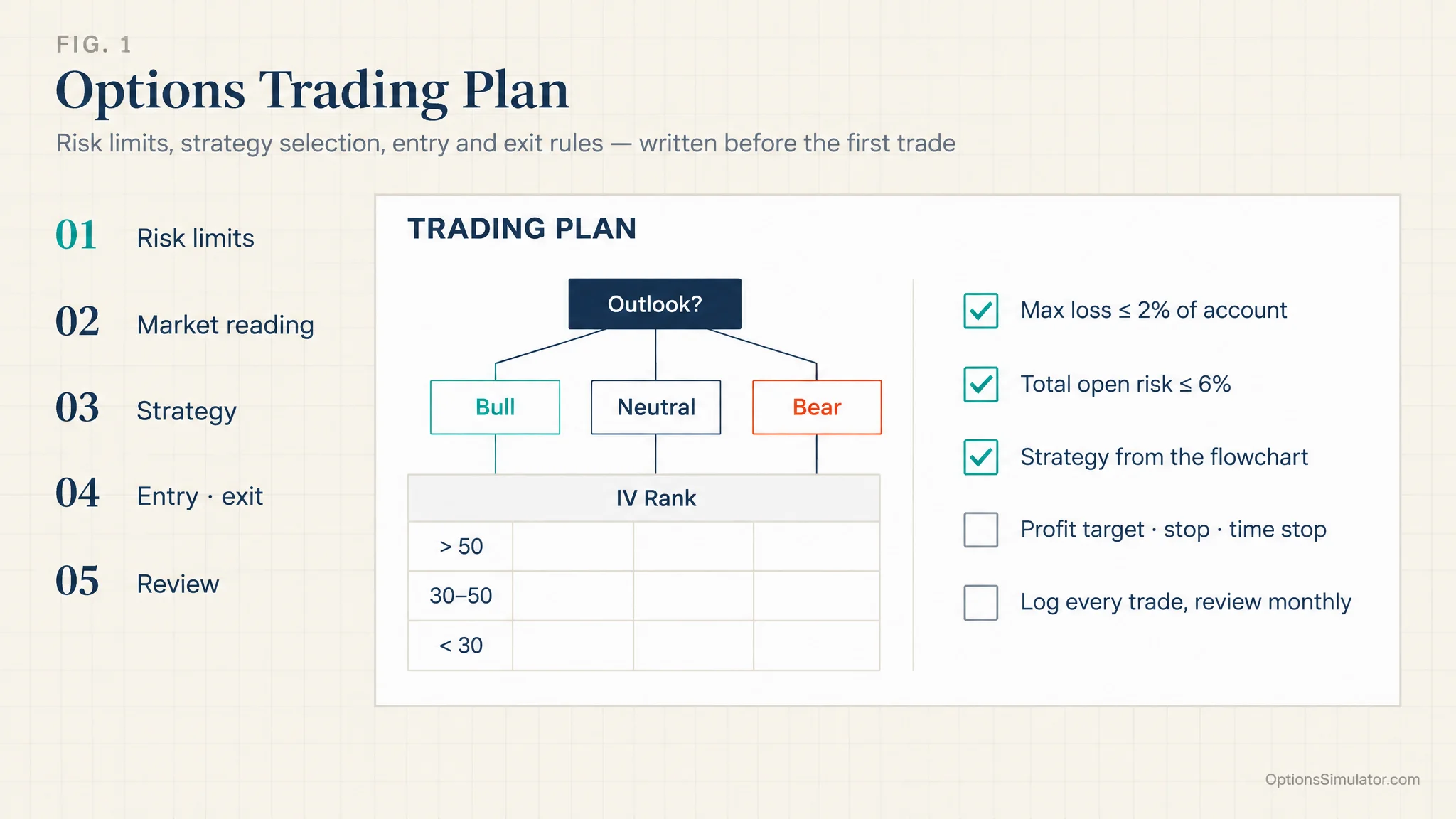
How to build an options trading plan in eight steps: risk limits, a strategy flowchart, entry and exit rules, and a checklist you can use on every trade.
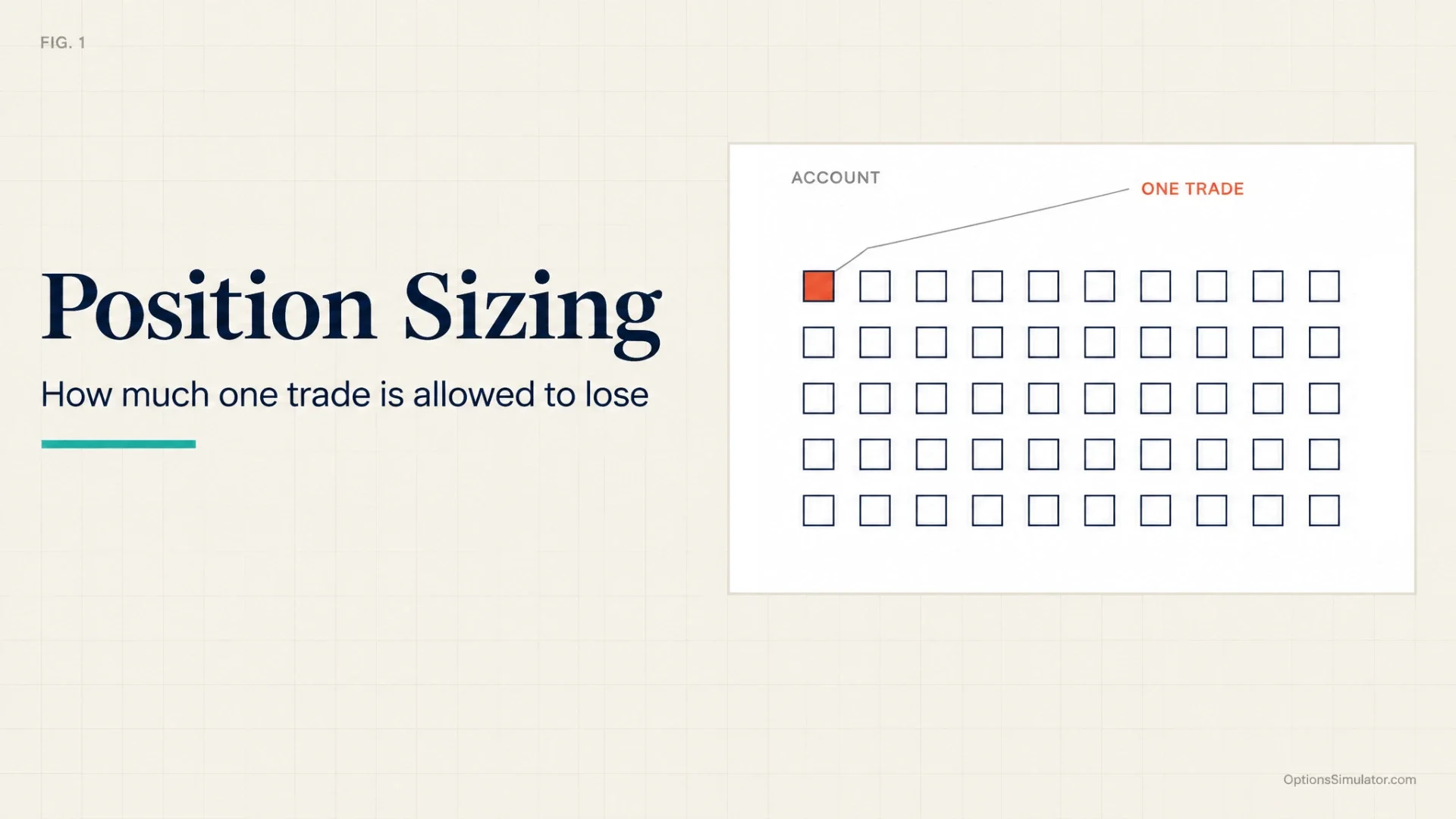
Position sizing for options: how to turn the loss you accept into a number of contracts, why losing streaks set the size, and what risk rules work.
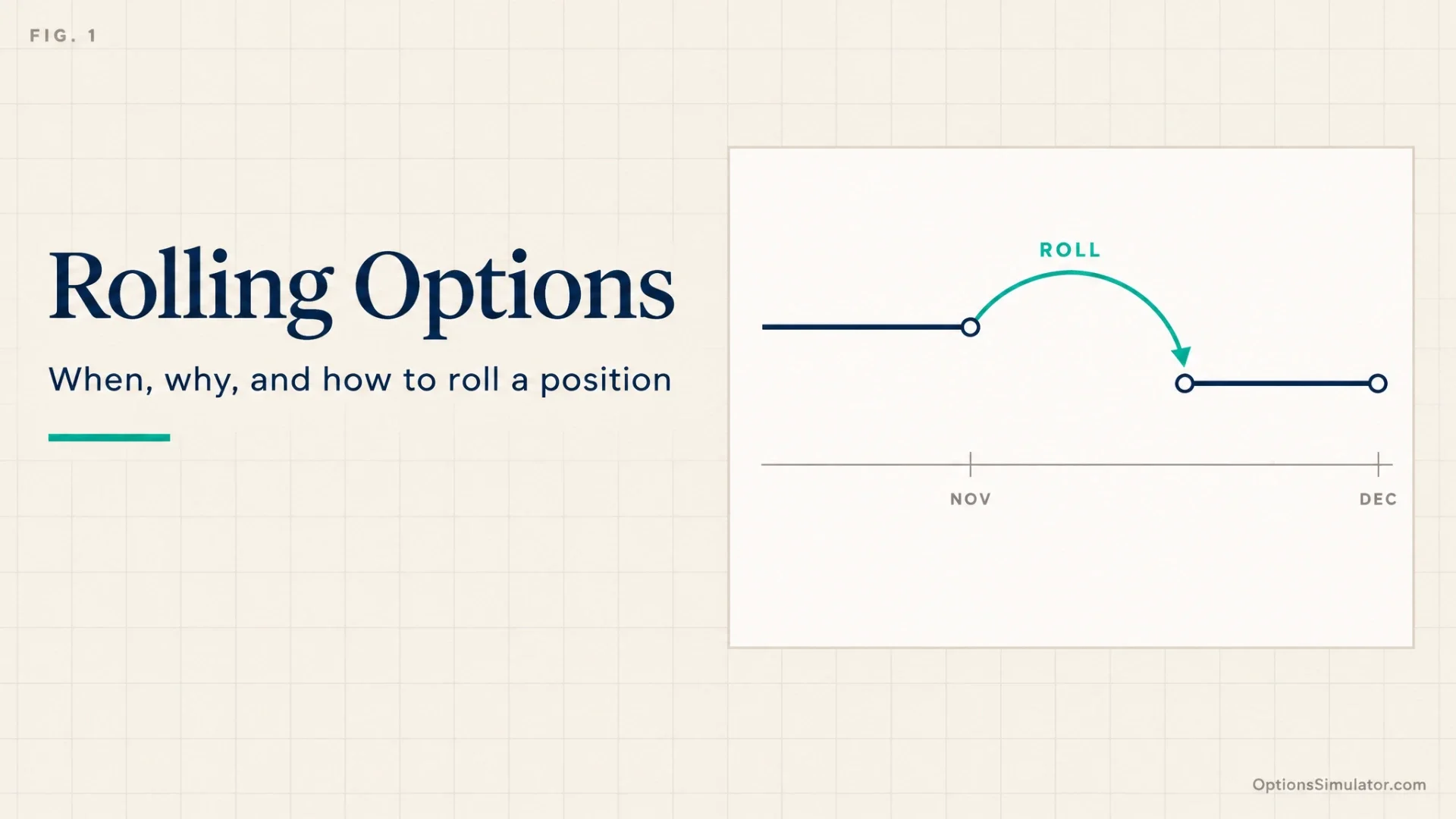
Rolling options explained: when to roll out, down or up, what a credit roll really changes, and how to compare rolling with closing. QQQ example.
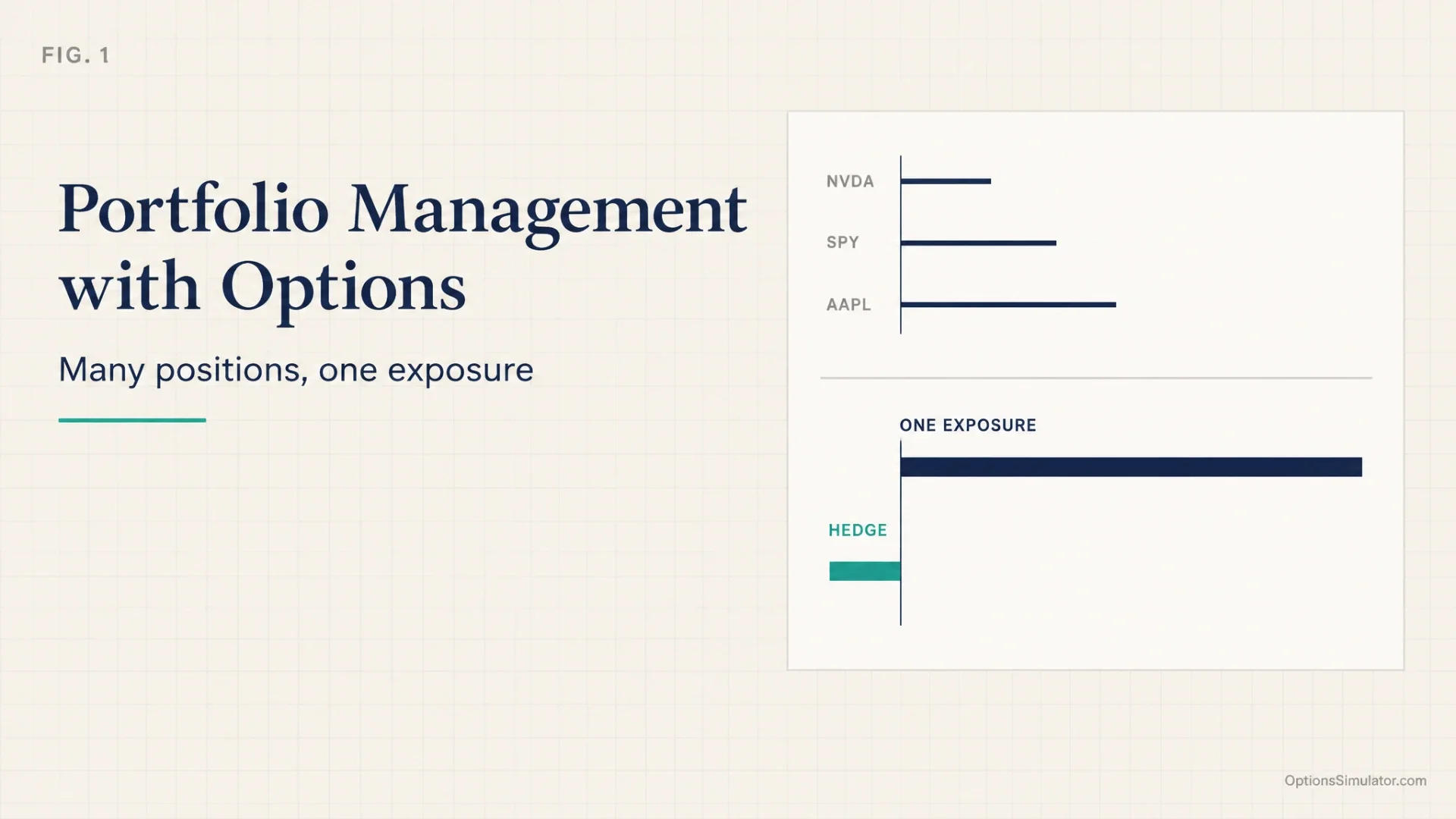
Portfolio management with options: add up portfolio Greeks, convert stocks with beta-weighted delta, and hedge the total with one index position.
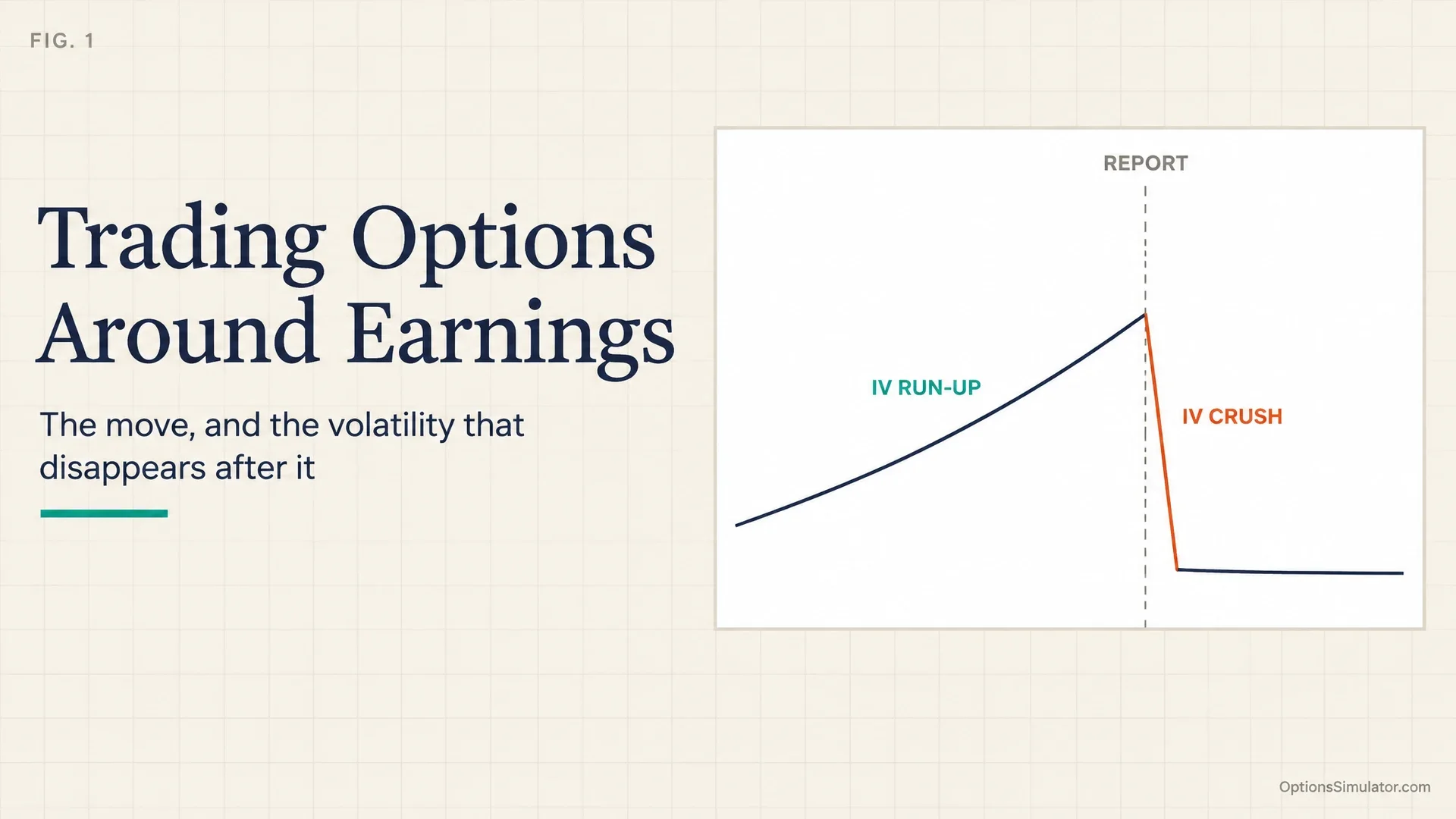
How trading options around earnings works: the expected move, the IV run-up and IV crush, with a META straddle example and every number worked out.
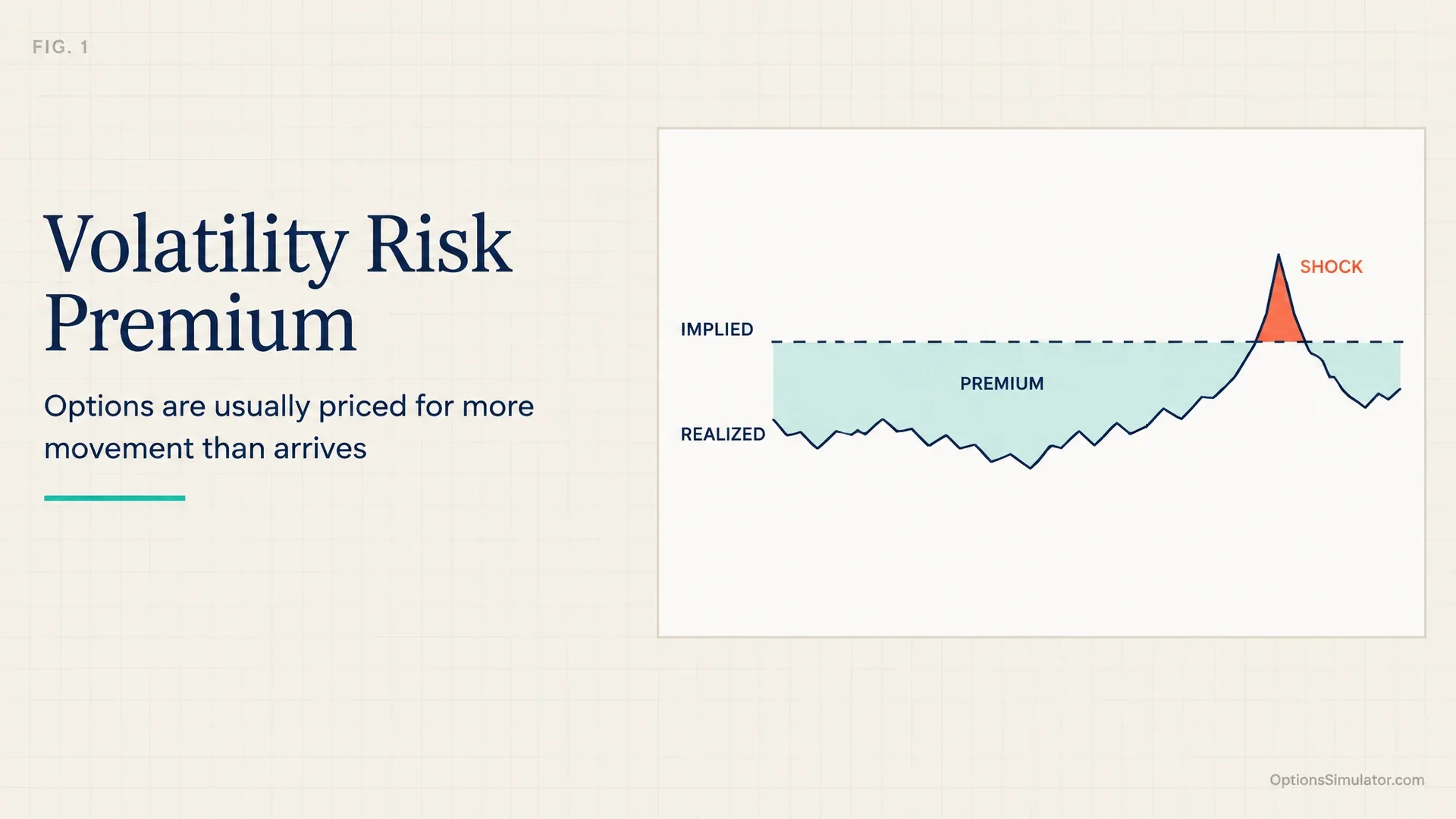
What the volatility risk premium is, how to measure it, and why implied volatility usually exceeds realized volatility — with an SPY example.
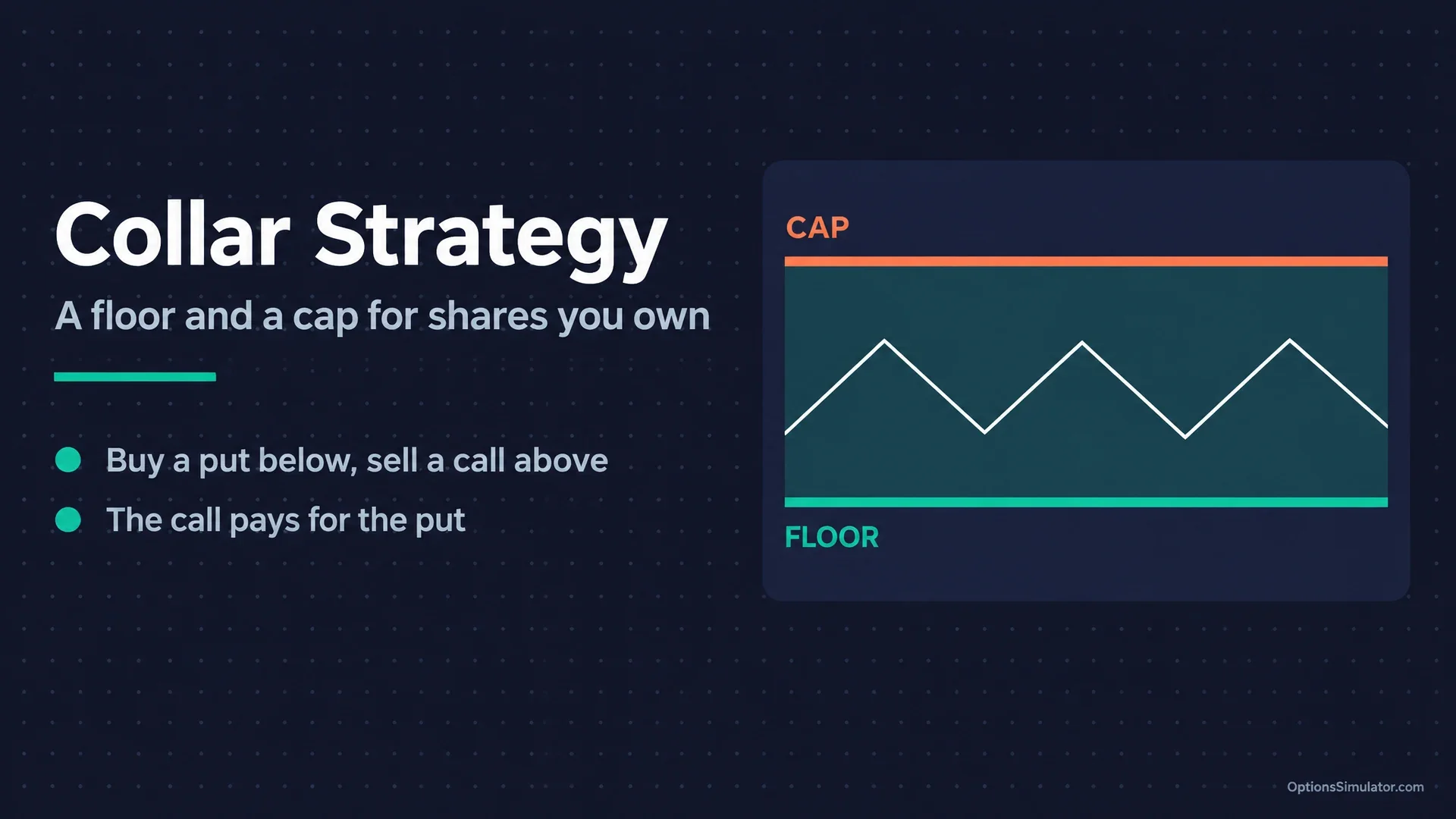
How a collar strategy protects shares: buy a put for a floor, sell a call to pay for it. JPM example, zero-cost collar math and exit rules.
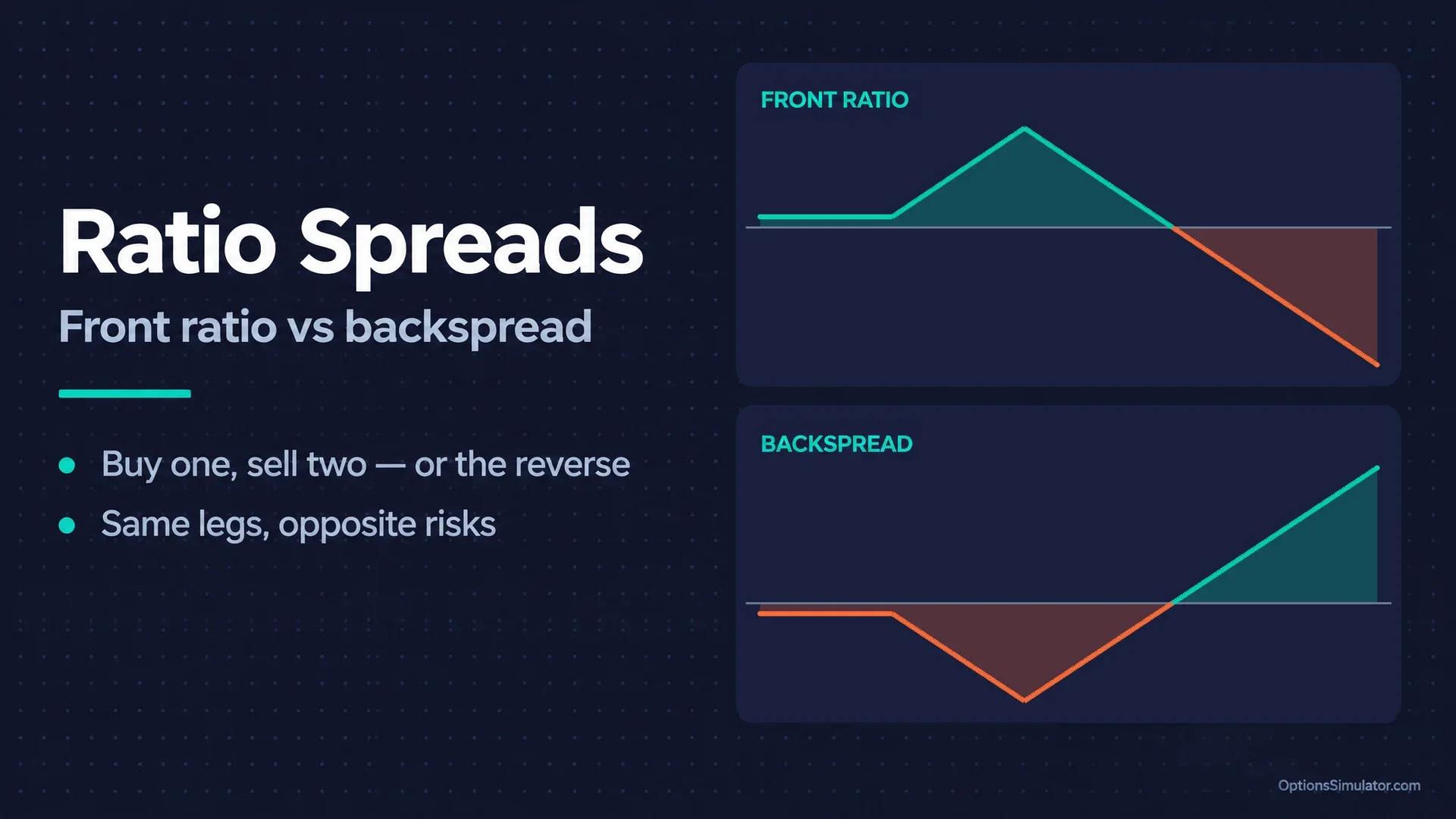
How ratio spreads work: a front ratio sells two options against one, a backspread buys two against one. GLD example, payoffs and exit rules.
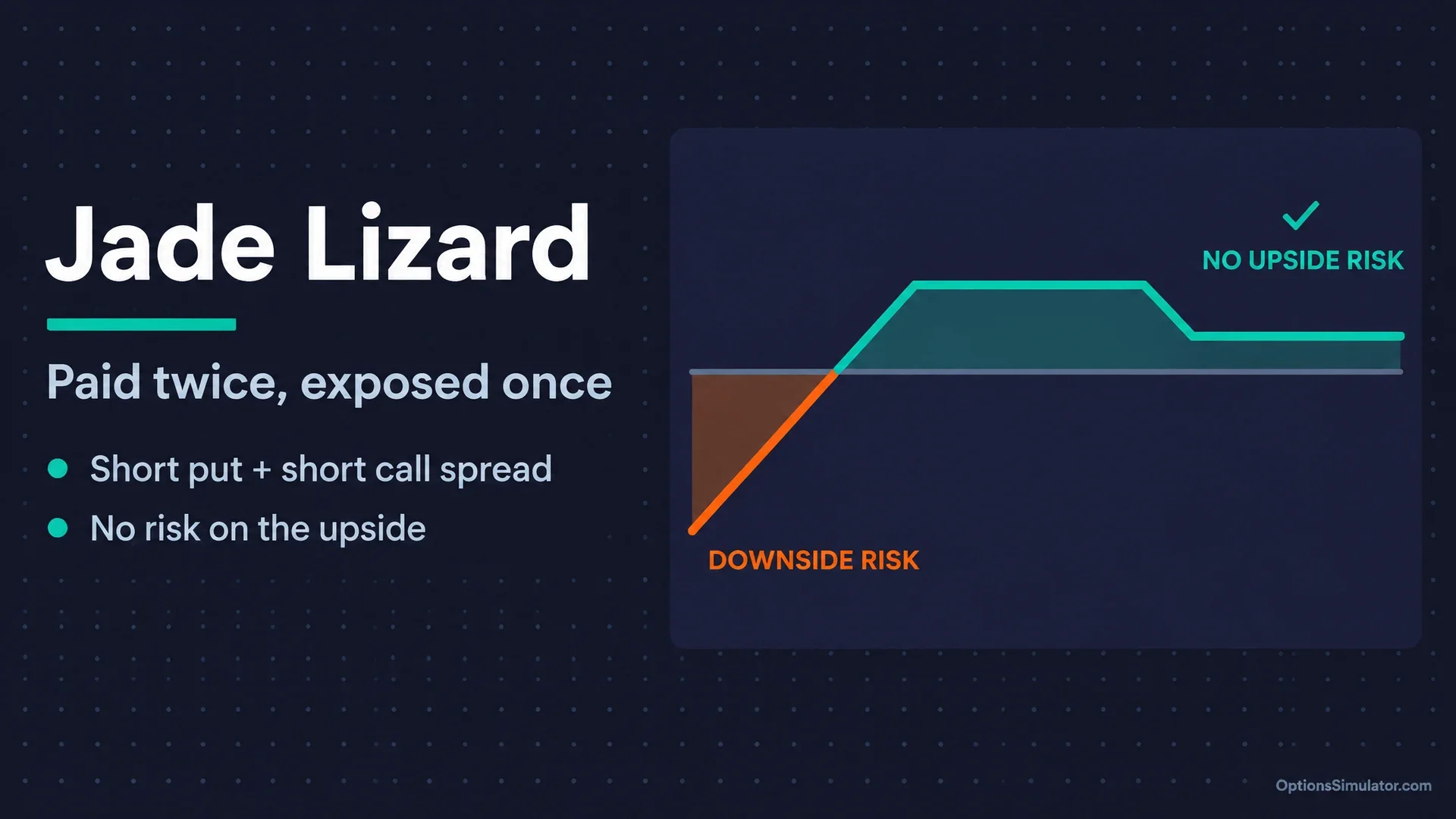
How a jade lizard works: short put plus short call spread, no upside risk when the credit exceeds the call spread width. IWM example and exit rules.
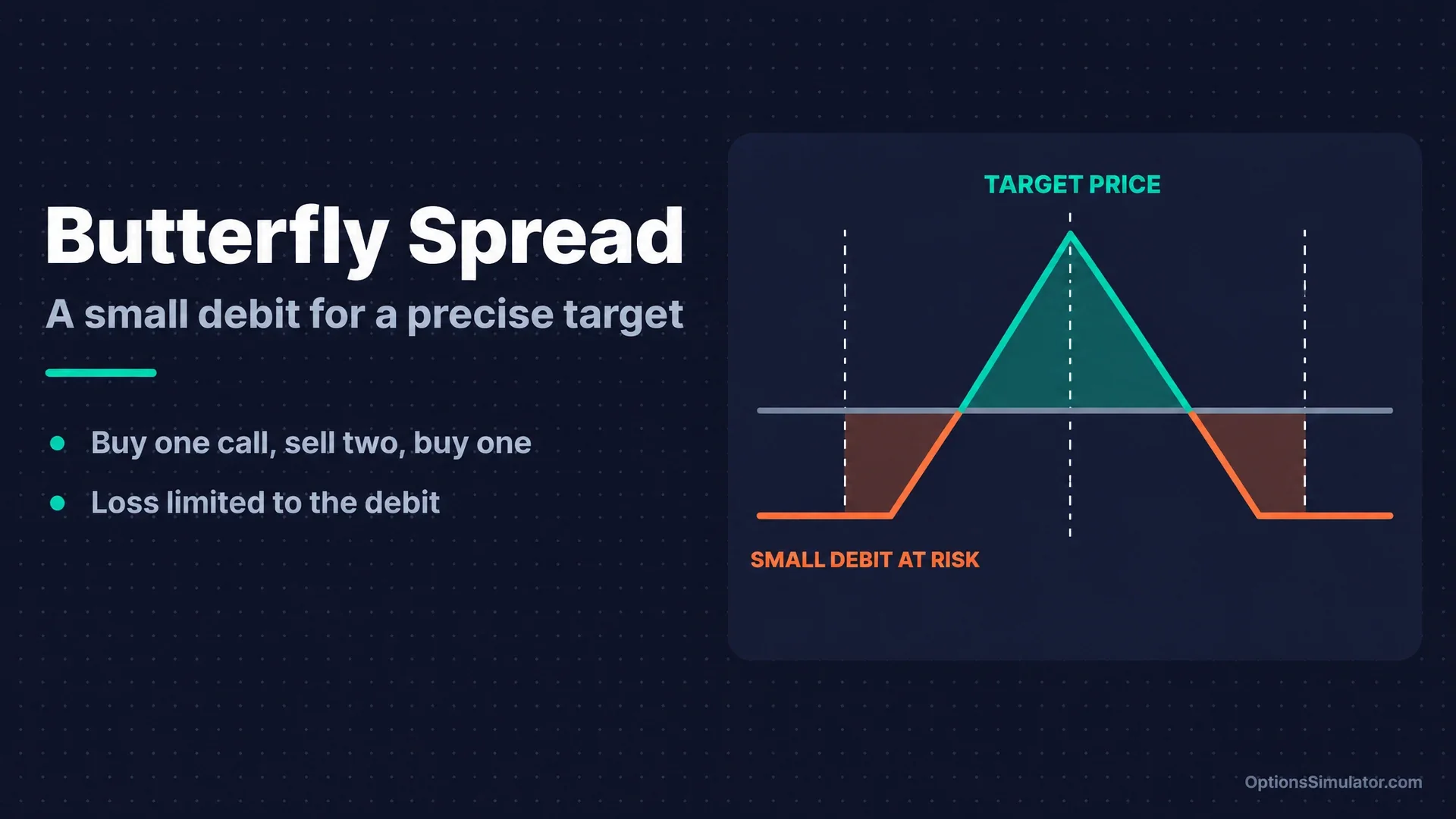
How a long butterfly spread works: a small debit, a narrow target, and most of the gain in the final days. QQQ example and exit rules.